How small businesses can dominate their neighborhood’s attention (and Google’s local results) in 2025.
Big reach is overrated when your best customers are right around the corner. In 2025, the smartest small businesses aren’t chasing national attention. They’re winning hyperlocal loyalty. Whether you’re a coffee shop on a busy street or a home services brand covering a tight radius, local and hyperlocal marketing puts you in front of the people who matter most: those nearby, ready to buy, and searching for what you do.
This guide walks you through how to stand out in your own ZIP code, get found in AI-powered “near me” searches, and turn your Google Business Profile into a lead-generating machine. We’ll cover the tools, content strategies, and ad tactics that help you become the go-to in your neighborhood without wasting time or budget trying to reach people across the country who’ll never walk through your door.
Small Pond? Perfect. Let’s Make You the Biggest Fish.
You don’t have to compete with every business on the internet.
If you’re a local or regional business, your real competition is the handful of other places your customers could drive to today, or the few other service providers they might call before they call you.
That’s why local and hyperlocal marketing is the best-kept growth secret for small businesses in 2025. While big brands are spending millions to win broad national keywords, you can focus on owning your backyard, like your city, your neighborhood, even your street.
- Southern California News Group found that 46% of all online searches right now are for “local” info.
- GMB Briefcase shared that 76% of online searches are for “nearby businesses” for purchase decisions within one day, with 26% of those searches resulting in actual sales.
- Neil Patel further endorses hyperlocal digital marketing and found that 69% of digital traffic actually comes from local and organic online searches.
Done right, hyperlocal marketing makes you the obvious choice for anyone nearby who needs what you sell. And the beautiful thing? The tools to do it have never been more accessible.
What Types of Businesses Benefit Most from Local and Hyperlocal Marketing?
Not every business needs a national audience. And that’s exactly what makes local and hyperlocal marketing so powerful. When your revenue depends on foot traffic, in-person appointments, or service calls within a specific radius, targeting your immediate community is essential. So, don’t buckshot your marketing and content in a way that “sprays” and tries to compete for page-one search results, when really, you only need to dominate “near me.”
For example, people aren’t going to drive across the state or county for an oil change. They’re not likely to stray too far from their morning commutes for coffee, either. Here are just some of the business types that benefit most from this highly focused approach.

1. Brick-and-Mortar Retailers
If you have a storefront, you need to be findable by people nearby. Whether you’re a boutique, a bakery, a bookstore, or a bike shop, local search is how modern customers decide where to go. Ranking for hyperlocal terms like “gift shop near [neighborhood]” or “best bagels on [street name]” gives you an edge over bigger chains.
2. Service-Based Businesses
Think plumbers, electricians, HVAC technicians, roofers, pest control, and cleaning companies. These businesses often serve a defined geographic area, and customers want to hire someone close by—fast. Showing up in map packs and voice assistant results for “[service] near me” can directly translate into calls and bookings.
3. Health & Wellness Providers
From chiropractors and dentists to massage therapists and personal trainers, local visibility is crucial those in the health and wellness space. Patients and clients are far more likely to choose a provider within a convenient distance, especially if reviews, photos, and location-based content are available at a glance.
4. Restaurants, Cafés, and Food Trucks
Food decisions are hyperlocal by nature. People search for what’s nearby, open now, and well-reviewed. Location-optimized listings, event promotions, and neighborhood-specific blog posts (like “Where to Eat After the Game in [Neighborhood]”) help food and beverage brands fill tables and boost takeout orders.
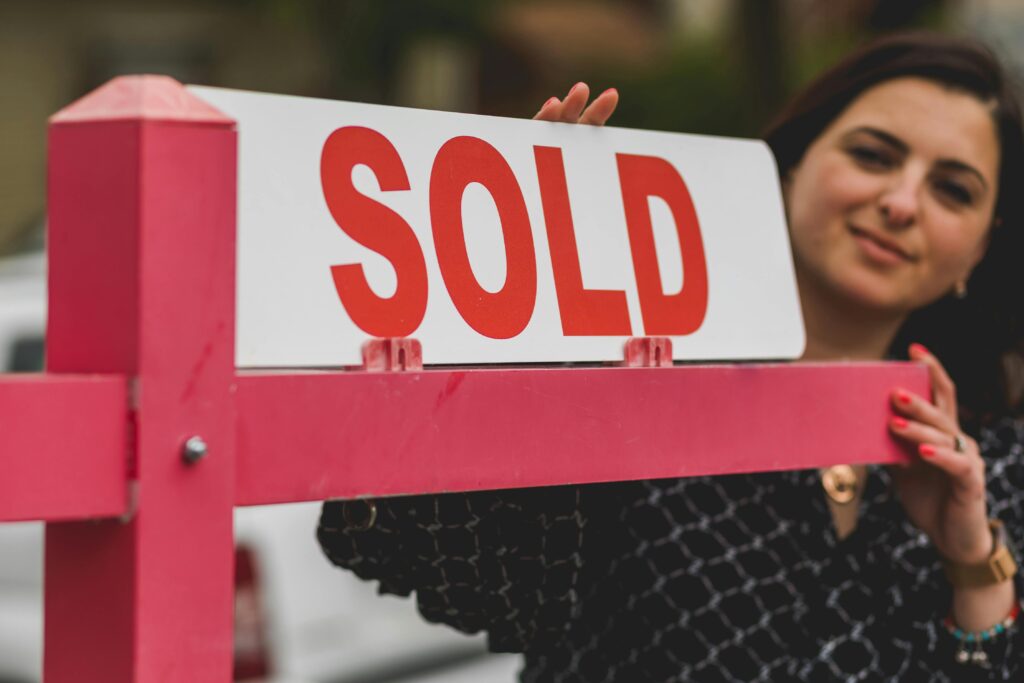
5. Real Estate Professionals and Agencies
Whether residential or commercial, real estate is all about local expertise. Agents who market themselves within specific neighborhoods build stronger brand recognition and trust. Hyperlocal real estate content in blogs, guides, and social media posts that showcase community knowledge give agents an edge in competitive markets.
6. Pet Services and Retailers
Pet owners want groomers, vets, dog walkers, and pet supply stores they can get to easily. Creating content around local dog parks, vet tips for your city’s climate, or pet-friendly spots in your neighborhood help you become the go-to for animal lovers nearby.
7. Educational Programs and Enrichment Centers
Dance studios, tutoring centers, language schools, and after-school programs all serve families looking for something close, safe, and trusted. A hyperlocal strategy helps you reach the right parents in the right neighborhoods without competing for clicks against national chains.
8. Event Venues and Vendors
From wedding venues to photographers and DJs, event-based businesses thrive when they show up in local “best of” search results. When someone’s planning a party, they want vendors who are local, available, and well-reviewed.
9. Legal and Financial Services
Attorneys, CPAs, insurance agents, and financial advisors benefit from establishing trust and visibility within a city or neighborhood. Local reviews, attorney directories, and optimized practice area pages with location-based keywords can drive highly qualified leads.

10. Fitness Studios and Gyms
No one wants to drive 30 minutes to work out. Whether you run a yoga studio, kickboxing gym, or personal training service, showing up in local and neighborhood-specific searches can keep your classes full and your community engaged.
What Is Hyperlocal Marketing (and How It’s Different From “Local” Marketing)
Local marketing targets your entire city or metro area.
Hyperlocal marketing drills down further, sometimes to a specific ZIP code, district, or radius around your location.
Example:
- Local: “Best coffee shop in Austin”
- Hyperlocal: “Best coffee shop on South Congress”
The smaller the target, the less competition you have and the more relevant your message feels to the people seeing it.
Why Hyperlocal Marketing Is a 2025 Power Move
Even global, national, and regional brands are leveraging the power of geo-targeting. We’re seeing top-tier marketing agencies scramble to create new, geo-specific landing pages for their clients. And it’s a power move because content that specifies a geographic area is great for TOFU, MOFU, and BOFU lead-gen.
Why Hyperlocal Content Is Especially Powerful at BOFU:
When someone searches for “best dentist near me,” “AC repair in [ZIP code,]” or “wedding venues in [neighborhood],” they’re not browsing.
They’re deciding.
That’s BOFU in action, searchers are:
- Actively looking for a solution
- Comparing specific businesses
- Ready to book, call, or visit
Hyperlocal content meets them at that exact decision point, which is why it converts so well.
Examples of BOFU hyperlocal content:
- “Top 5 [Service] Providers in [Neighborhood]”
- “Why [Your Business] Is [City]’s Most Trusted [Service]”
- “Client Stories: How We Helped a [Location]-Based Business Grow 2X”
It builds trust and removes friction. You’re not just another brand—you’re the best local option.
But It Can Serve TOFU Too
Hyperlocal content can also attract early-stage awareness when framed around community interest, education, or lifestyle.
Examples:
- “10 Family-Friendly Activities Near [Your Business]”
- “How to Prepare Your Home for Winter in [City]”
- “A Local’s Guide to Pet-Friendly Trails in [Neighborhood]”
These TOFU pieces pull in locals who aren’t necessarily searching for your product or service yet but will remember your brand when they are.
What’s Trending in 2025-2026?
Several trends have made hyperlocal marketing a smart bet for small businesses right now:
- Mobile-first search: People search “near me” on the go and want instant answers.
- Voice assistants: Siri, Alexa, and Google Assistant often pull from local listings.
- Google’s SGE (Search Generative Experience): AI-powered results now surface hyperlocal recommendations.
- Community-first buying habits: Shoppers want to support local businesses, but they need to find you first.

Your Google Business Profile: The Front Door to Your Online Presence
If you haven’t touched your Google Business Profile (GBP) in the past year, you’re leaving money on the table.
GBP is the most important piece of local search real estate you own. It’s what shows up in the local map pack, in voice searches, and in mobile “near me” results.
2025 GBP Must-Dos:
- Add fresh photos weekly (yes, weekly, Google rewards activity).
- Post short updates about specials, events, or seasonal offers.
- Keep hours accurate, including holiday hours.
- Use the Q&A feature to answer common customer questions.
- Encourage and respond to reviews (positive and negative).
Hyperlocal Content That Actually Ranks
Creating sizzlin’ hot content for your website or blog with hyperlocal keywords tells Google (and AI search tools) exactly where you’re relevant.
Ideas:
- “Where to Get the Best Breakfast Tacos in East Austin” (restaurant)
- “A Homeowner’s Guide to Winterizing Your Pipes in Minneapolis” (plumber)
- “Top 5 Dog-Friendly Parks Within 10 Minutes of Our Pet Store” (retail)
- “X Things to Do in NYC within Walking Distance of [Your Hotel]” (hospitality)
Why this works: You’re targeting location-specific intent and people searching for something nearby, right now.
Geo-Targeted Ads: Spending Smart, Not Broad
Hyperlocal isn’t just for organic search. Paid ads can be geo-fenced to show only to people in a very tight area.
Example: A boutique salon in Denver set a Facebook Ads radius to just two miles around their shop, targeting women 25–45. The ad featured a “first appointment” discount and booked out two weeks of appointments in under 48 hours.
Platforms to use:
- Google Ads – Radius targeting around your location.
- Facebook/Instagram Ads – Pinpoint neighborhoods or ZIP codes.
- Waze Ads – Show your business on a driver’s navigation route.
Turning Local Events into Marketing Gold
Events are a hyperlocal marketer’s dream because they give you built-in foot traffic and a chance to position yourself as a community staple.
Ideas:
- Sponsor a booth at the neighborhood farmer’s market.
- Host a “local business spotlight” night at your store.
- Partner with nearby businesses on seasonal promotions (holiday strolls, summer sidewalk sales).
Pro tip: Take photos and videos during these events and post them on your GBP, social channels, and blog. The hyperlocal SEO boost is real.
Tracking Your Local & Hyperlocal Wins
It’s not enough to run campaigns. You need to know they’re working.
Track:
- GBP Insights – How people found you (search terms, map views).
- Google Search Console – Keyword rankings for your local content.
- UTM Codes in Ads – See which neighborhoods are converting best.
The beauty of hyperlocal marketing? Wins show up fast. You can test a neighborhood-targeted ad for a week and see if it’s worth scaling.
Common Hyperlocal Marketing Mistakes
- Too generic messaging: If you’re targeting one neighborhood, make sure your copy and imagery match the local vibe.
- Ignoring mobile optimization: Most hyperlocal searches happen on phones, and slow-loading sites will cost you.
- Forgetting about reviews: Even with perfect targeting, bad reviews will tank conversions.
Why Small Businesses Should Go All-In Now
Hyperlocal marketing isn’t just a 2025 trend. It’s a competitive moat. Once you establish local dominance, it’s much harder for competitors to push you out of your own backyard.
And because many small businesses are still focused on broad, generic campaigns, the door is wide open for you to claim the hyperlocal spotlight.
Own Your Block, Win Your Market, and Just Let Dez Write It
You don’t need to master Google Business Profiles, neighborhood SEO, and hyperlocal content and blog strategy on your own. At Just Let Dez Write It, we specialize in content that puts small businesses on the map—literally. Whether you need service pages for your city, blog posts that rank for “near me” searches, or geo-targeted campaign copy that sounds like your brand (not a bot,) we’ve got you covered.
From content strategy to full execution, we help you:
- Show up in local and AI-powered search
- Build trust with your community
- Drive real foot traffic and leads
So, if you’re ready to be the go-to business in your neighborhood, Just Let Dez Write It.
We’ll handle the words. You handle the wins.